

























Violent. Ruthless. Unremorseful. This is what we typically think of when we think of serial killers. While they are indeed horrible people – ones who have killed many with no reason to justify. It’s not always that they have a lack of emotion, but sometimes it’s that there is an overabundance of one, such as anger. But they are almost always incapable of remorse, so does that not make all of them psychopaths?
What is psychopathy?
Psychopathy is a personality disorder consisting of a person with an impaired sense of empathy and remorse, as well as pertaining to both manipulative and impulsive behavior. Psychopaths essentially have no regard or fear of consequences. So this absence in their thought process means they wouldn’t think before acting, leading to impulsive actions. Additionally, their lack of empathy and remorse means that they would be willing to do whatever they deem necessary in order to get the result they wanted. Therefore they would be willing to manipulate others if it meant that it would help them achieve their desired result. Psychopaths often don’t tend to feel for others on an emotional level. They can technically understand sympathy and the effects of their actions on others, but it would be more so equivalent to someone learning a rule of etiquette. They can remember it, but it is less instinctive and not something they tend to do naturally.
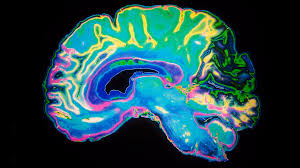
Being psychopathic does not simply mean that they have different traits compared to other people. Psychopathy is a disorder that goes deep at a neurological level. Psychopaths’ brains are vastly different compared to others in the way that emotions are processed and regulated, along with how their brain makes decisions. A person with psychopathy has less connection between their ventromedial prefrontal cortex and their amygdala. The ventromedial prefrontal cortex is used when trying to make ethical decisions, controlling emotions, as well as being used for social cognition. The amygdala however, processes emotions, especially strong ones such as fear, anxiety, and anger. Typically, the ventromedial prefrontal cortex sends signals to the amygdala to regulate emotional responses. It essentially helps one calm down in any given situation that causes an extreme emotion. But when this connection is weaker, it’s a lot more difficult to suppress extreme reactions to strong emotions. So, if a neurotypical person were to experience a powerful emotion, for example anger, they would be more able to keep themselves composed. Whereas someone with psychopathy would have much more trouble controlling their reaction and would be more likely to lash out.
Along with having a weaker connection between these two brain regions, people with psychopathy also have lower gray matter in their insula and their anterior cingulate cortex. The insula’s purpose is to control sympathetic and parasympathetic outputs (fight or flight reflex, rest, and digest), help with emotional awareness, as well as being involved in decision making; specifically when trying to make decisions based on how risky the action is and whether or not that action would provide a satisfactory reward for themselves. Since psychopaths have lower gray matter in this area, they have trouble integrating the emotional context in their decisions, as well as having impaired sensory input. Additionally, they would also have trouble understanding social cues due to the lower gray matter in this area so psychopaths would have trouble regulating their emotions and understanding others. Along with having lower gray matter in the insula, psychopaths have lower gray matter in their anterior cingulate cortex. The anterior cingulate cortex is a region in the brain used to process emotions and to control the body’s automatic response to them, similar to the ventromedial prefrontal cortex and the amygdala. This is an additional factor as to why psychopaths have trouble controlling their emotions and making decisions. The reduced amount of gray matter in this area also means that psychopaths have trouble managing stress. Ultimately, psychopaths’ brains are largely different compared to neurotypical ones. They have weaker connections between the regions of their brain and less gray matter in them. This brain composition is what makes psychopaths act so cold and impulsive.
How does it develop?
Psychopathy mainly stems from abuse – as the psychological effects of it are extremely severe. But psychopathic traits can also be passed genetically. This development starts in childhood, as this is the most vulnerable part of a person’s life where they are the most susceptible to changes in the brain. This is why life as a child is a key factor when it comes to psychopathy diagnostics. Even though psychopathic traits can be passed down, they simply act as a blueprint – their early years are still crucial in determining whether or not one becomes a full fledged psychopath. The significance of childhood treatment is why the majority of psychopaths all have a history of abuse. Abuse has multiple forms, all of which deeply affect the victim’s psyche and behavior. These consist of physical, emotional, and sexual abuse, as well as neglect. This abuse can drastically change how the brain develops – making the child display psychopathic behaviors. Someone who had experienced abuse as a child would probably have a much harder time managing their emotions. They would have learned how to properly manage their feelings and how to react accordingly as no one would have taught them, and even if they tried to learn via copying their parents behaviors, that would not have worked as they themselves would also have had behavioral issues. So the children would misbehave a lot more – throwing tantrums, and lashing out, and even becoming more manipulative, a very prominent trait of psychopathy. Though this might be due to the lack of control that they had in their lives. Everyone wants control, but for children with an abusive life, they don’t just want it. They crave it because they never had it. So they manipulate to gain back control – to have greater power over others. But they also do this because they don’t care, or even understand others feelings. They cannot truly care and have affection for others if they had never experienced affection themselves.
Psychopathy in Serial Killers
Serial killers present many psychopathic traits in multiple ways — both in their mind and their behavior. In a study from, criminal offenders who were registered as psychopaths seemed to have a much greater amount of stimulation in their brain when watching violent scenes in movies. When one has psychopathy, they would have a much greater difficulty with controlling their emotions, which is definitely present in many serial killers. Serial killers usually have a great amount of anger towards a certain person, often parents or partners, which then leads to an anger towards an entire group (prostitutes, people of a certain job, people of a certain appearance). This overwhelming anger would then lead them to kill many others — not just the person of their anger, simply because they share similarities with one another. The act of killing many innocent people due to only anger towards one who is similar definitely expresses a loss of emotional control, as these people have never actually done anything to them, yet they still murder them. But this is not the only loss of control which is present. Serial killers may start methodically, leaving as little evidence as possible and killing weeks or months apart. But eventually they could lose their grasp on this control — killing with no regards for what they leave behind with barely any time between kills. At this point, they have become what is known as a “spree” killer. Sometimes, they don’t build up to spree killing, they would have already lost total control from the beginning. But in both cases, they are no longer worried about not getting caught, their emotions have taken over entirely.
Additionally to having barely any emotional control, serial killers have a strong desire for power. This most likely stems from abuse that they had gone through as a child where they would have no say and independence over their lives. So they would grow a stronger desire to have total power over people (The abuse they went through does not justify what they had done in any way). They would enjoy being the one who decides if one lives or dies – inducing absolute fear. Serial killers would have no regard for others. No remorse for the pain that they had caused for so many.
Answering the Question
If serial killers so often display psychopathic traits, are they not all psychopaths? Not exactly. While almost all known serial killers were psychopaths, some of them had other disorders or illnesses which had some overlapping symptoms with psychopathy. Serial killer Jeffery Dahmer, was never actually diagnosed as a psychopath. He certainly displayed psychopathic traits, but he actually had BPD (Borderline Personality Disorder), and Schizotypal Personality Disorder. BPD consists of extreme emotional instability and impulsivity. But unlike psychopathy, people with BPD are often driven by overwhelming emotions such as fear, but people with psychopathy lack fear and behave without worry for consequences. Schizotypal Personality Disorder is similar to schizophrenia and holds similar symptoms (paranoia, anxiety, distorted thinking and perception), but is less severe. Psychosis is another illness which is also often mixed with psychopathy, and is what serial killer Ed Gein had. Psychosis is essentially where one is separated from reality, experiencing hallucinations and having trouble understanding what is real and what is not. This separation is another common drive for serial killers, as their psychosis leads them to believe things which make their kills justified to them. So while most serial killers are psychopaths, around 90%, many of them have other mental disorders and illnesses which may display themselves in a way similar to psychopathy in both the brain and their behavior.